Dean Street, Dublin, D08 W3X7, Ireland

Workshops
Capacity Building Workshop – Dublin
Redefining the Modern Business School Value Proposition Through Flexible, Inclusive, Career‑Relevant Education
Registration for this workshop has now closed. If you would still like to attend Monday's session, please contact us at bga-membership@amba-bga.com and we will do our best to accommodate your request.
- 15 June 2026 | 9:30 AM–4:30 PM
- Dublin, Ireland
As Gen‑AI reshapes the graduate employment landscape, business schools face a unique moment of reinvention. This workshop takes a forward‑looking approach to redefining what makes a business school degree valuable today.
Together, we’ll explore inspiring case studies and engage in lively discussions on how to balance our core mission of knowledge creation with the need for flexible, inclusive, and career‑relevant learning experiences. Our aim is to position our programs in a way that highlights their role in driving positive impact, cultivating a lifelong love of learning, and fostering genuine financial and social mobility for our students.
Event programme
- –Registrations & Networking
- –
AMBA & BGA Overview
- Richard Turner (Head of Business Development - BGA)
- Debbie Kemp (Director of Business School Engagement)
- –
Designing a Flexible Executive MBA: Expanding Access and Inclusion Through Reimagined MBA Delivery at Trinity Business School
I will discuss how Trinity Business School redesigned its Executive MBA to create a more flexible, accessible, and inclusive learning experience for working professionals. The session will explore the practical challenges and strategic decisions involved in developing a flexible MBA model, including curriculum redesign, faculty engagement, technology adoption, and building a strong learning community. Drawing on this experience, I will share key lessons and a practical framework for business schools seeking to expand access and inclusion through flexible MBA delivery.
- Eimear Nolan (Director of the Flexible Executive MBA)
- –Comfort Break
- –
Graduate Employability in a Changing Landscape: The Impact of AI on Future Careers
In a landscape where AI fluency has transitioned from a differentiator to a baseline requirement, this talk will explore how the post-graduate MBA value proposition is being fundamentally redefined. Rather than replacing the MBA programmes AI is elevating the "human premium" by automating routine analytical execution and shifting the MBA’s role toward high-order problem framing, ethical governance, and cross-functional synthesis. Hiring trends would suggest a predominance of “invisible hiring” and that employers now prioritize candidates who can demonstrate "agentic AI" leadership—the ability to manage autonomous workflows—while simultaneously filling the growing gap in "soft" leadership coaching that technology cannot replicate. This shift necessitates a move away from focusing on static knowledge outputs toward "authentic assessment" models that validate a student’s integrated judgment and their ability to ethically bridge the gap between technical AI potential and strategic business outcomes.
- Michele O'Dwyer (Director, MBA Programme)
Meet the speakers

Debbie Kemp
Director of Business School Engagement
AMBA & BGA

Richard Turner
Head of Business Development - BGA
AMBA & BGA

Eimear Nolan
Director of the Flexible Executive MBA
Trinity Business School

Soheil Davari
Director of Accreditations
School of Management, University of Bath

Michele O'Dwyer
Director, MBA Programme
Kemmy Business School, University of Limerick
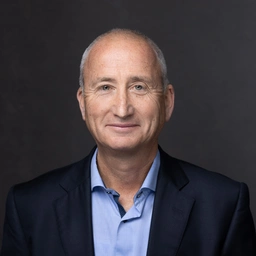
John Collins
Director Sales, Marketing and Communications
Trinity Business School, Trinity College Dublin
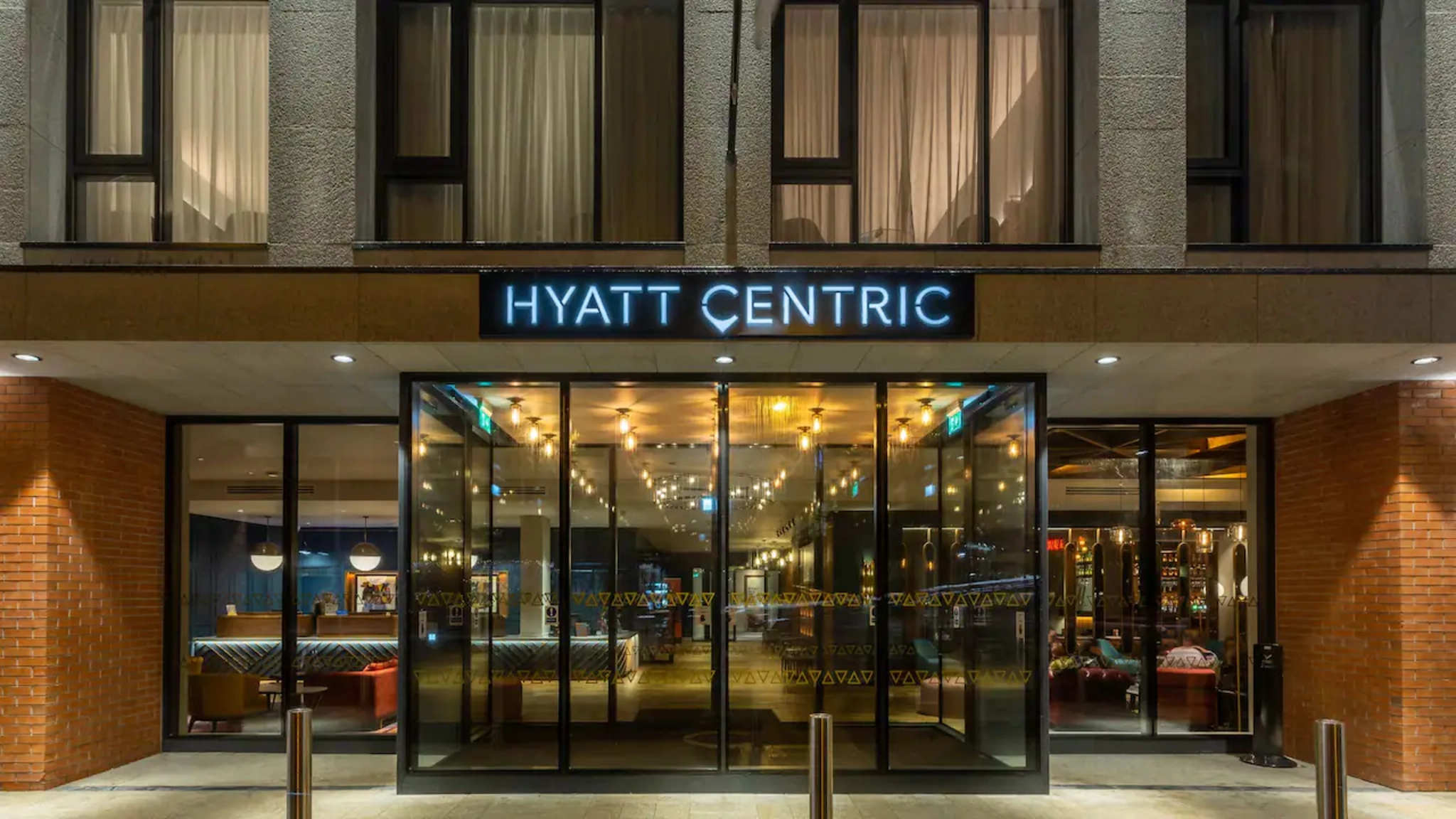
Hyatt Centric The Liberties Dublin
Address: Hyatt Centric The Liberties Dublin
UPCOMING WORKSHOP:
ONLY 9 SPACES REMAIN
Dublin | 15 June 2026 | 9:30 AM–4:30 PM
Redefining the Modern Business School Value Proposition Through Flexible, Inclusive, Career‑Relevant Education