Edhec announces Generations 2050 strategic plan
Edhec Business School has announced a new €270m strategic plan called Generations 2050, said to represent its commitment to transforming business, reducing carbon emissions, protecting biodiversity and creating “a healthy future” for students and alumni
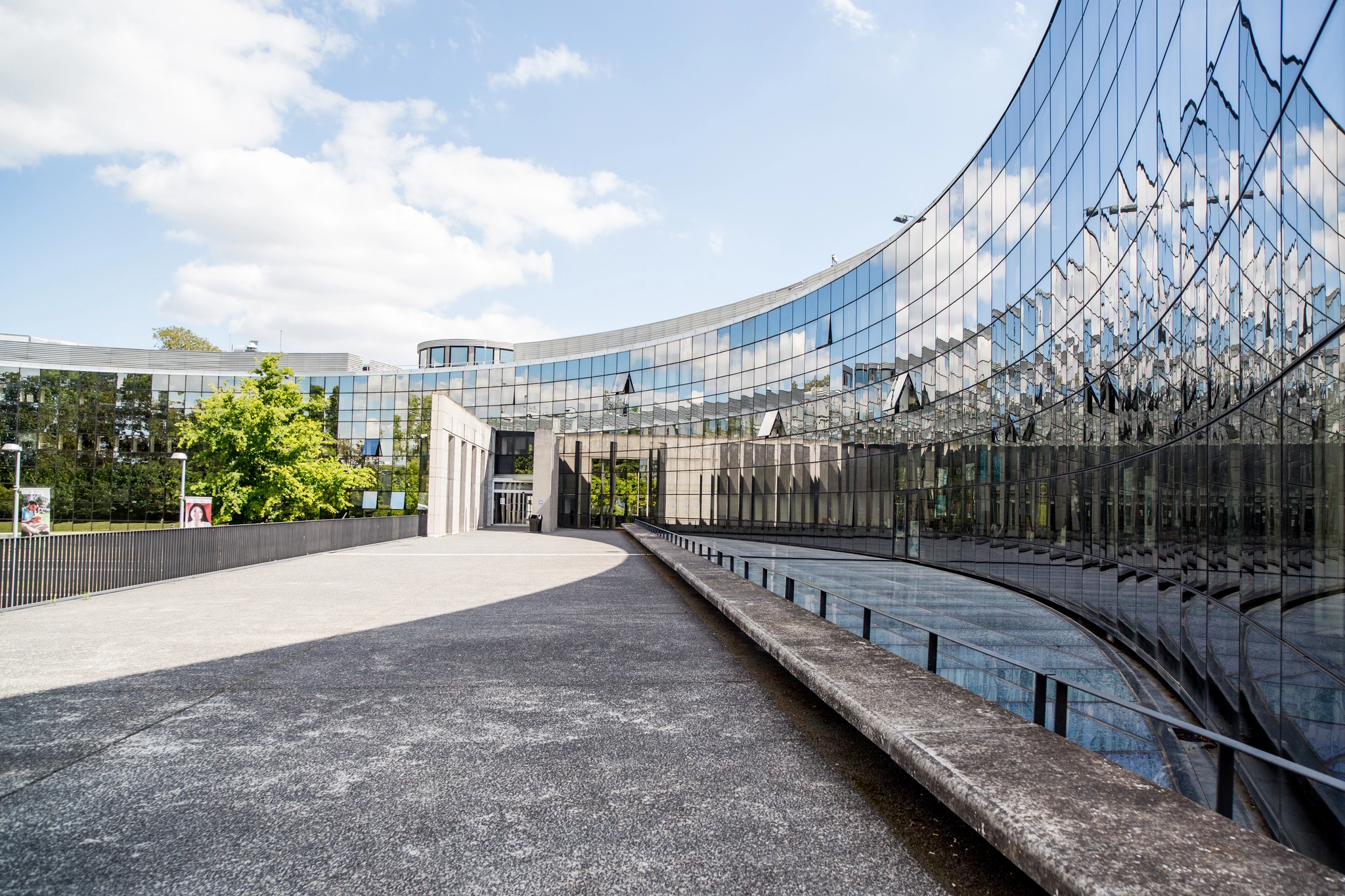
The plan consists of three main axes: championing net positive business, empowering students to transform and accelerating climate finance. To realise these goals, the Lille-headquartered school will invest significantly in its faculty, academic programmes, research centres and campuses. Over the next four years, Edhec plans to recruit 100 professors and some 170 researchers, as well as investing €112m in renovations and expansions at its Lille and Nice campuses, with an emphasis on sustainability and social exchange.
Commenting on the ambitious initiative, Edhec Business School dean Emmanuel Métais said: “Reinventing business models for the common good and championing sustainable finance will define our legacy for future generations. This strategic plan, which represents a revolutionary new take on our school’s strategy, is dedicated to accelerating these transformations through impact-driven research, excellence in education and the commitment of tens of thousands of Edhec alumni around the globe.”
Creating a net-positive business model
Edhec is reinforcing its commitment to creating the business model of tomorrow, one that is not just net zero but net positive, by investing €21m over the next four years to expand sustainable entrepreneurship activities and launch a Centre for Net Positive Business to help companies surpass basic CSR benchmarks. The new centre will be headed by Professor René Rohrbeck and will explore how companies can have a positive impact on society and the environment.
This autumn, Edhec will launch a new learning pathway called Transformative Journey that will propose courses and workshops to support students in acquiring the expertise and mindset necessary to lead economic, social and environmental transformation. One example will be the creation of a new hackathon for first-year master’s students in which they will reimagine a multitude of alternate futures for 2050. Edhec will also reformat the Sustainable Impact Project for international BBA students to give them more time to work with volunteers and NGOs.
The French school also plans to launch a Citizens’ Association label for its 100+ student associations to expand civic activities and projects. Under this new venture, associations that meet specific criteria in ethics & governance and social & environmental impact will receive a Citizens’ Association label that will attest to the club’s commitment to diversity and inclusion, collaboration and social solidarity.
Accelerating climate finance & interacting with AI
Edhec is also to create a Climate Finance School to ensure that students and global decision-makers, in both the public and private sectors, benefit from the green finance research produced by its Risk Climate Impact Institute. Climate finance will be taught in all degree programmes as part of core courses in order to raise awareness; in finance programmes to provide basic skills and knowledge; and in sustainable finance specialisations to ensure in-depth training.
As part of the plan, Edhec will devote €20m to creating Edhec AI. This ambitious initiative will accelerate the adoption of artificial intelligence in education and administrative activities. Professor Michelle Sisto will lead efforts to develop innovative AI and management science courses that will give students the expertise they need to lead AI transitions in the workplace. Moreover, this September, the school is set to launch a new master's track called Data Science and AI for Business.
Edhec also plans to implement new pedagogical approaches created in its PILab, as well as personalised student pathways such as adaptive learning and AI tutoring that are already in use on Edhec Online, the school’s 100-per-cent-digital-learning platform. With the expansion of these new learning tools, Edhec Online is expected to double in size by 2028.