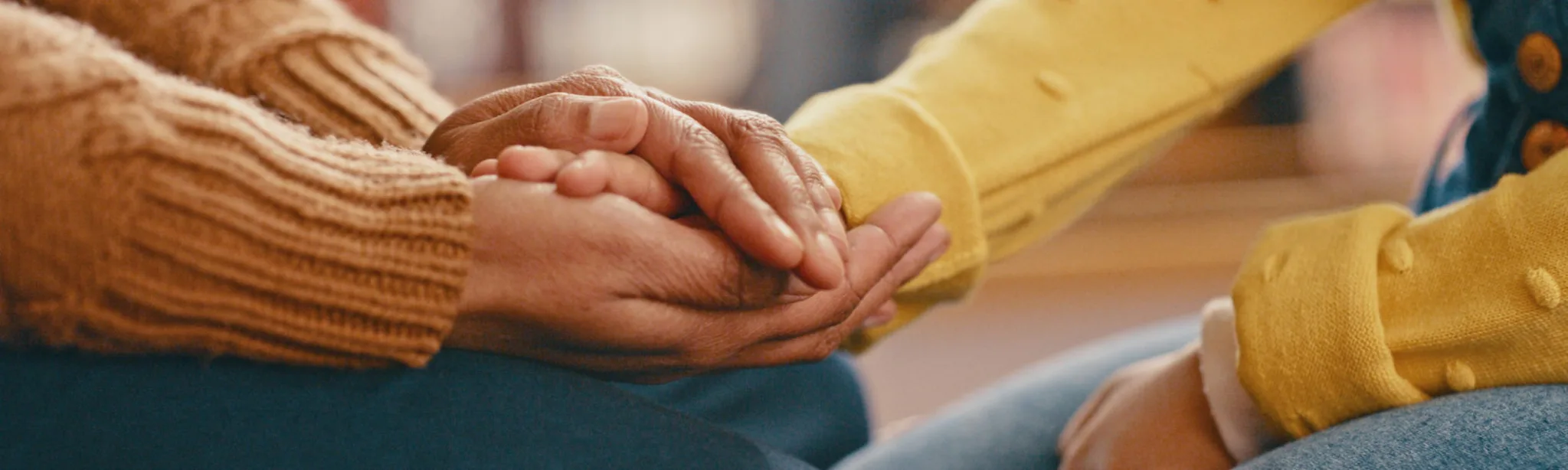
Addressing the plight of the student caregiver
Student caregivers are often overlooked and require greater help from institutions, according to Virginie Semavoine, diversity and study financing project manager at Grenoble Ecole de Management (GEM).
“Your [academic] success is in danger when it comes after care, cleaning, administrative and emotional support or the management of siblings,” Semavoine explained.
In France, 16 per cent of students between the ages of 18 and 25 can be classified as young adult caregivers, according to a study published in the Journal of Further and Higher Education. Typically, they hail from lower-income families and are more likely to be female, the study shows. They report poorer mental health than non-caregivers and are more likely to cite current and previous academic difficulties.
However, discovering students in this predicament is not always easy, as student caregivers do not tend to identify as such. The issue came to attention at GEM as part of its regular monitoring of students in difficulty, as Semavoine detailed: “We do not limit ourselves to the first subject they raise with us; a follow-up allows us to discover other obstacles to peaceful schooling. This is how we realised that some students were playing a very heavy caregiving role.”
The school subsequently held a roundtable to raise awareness, which in turn led to the launch of an initiative by the Communal Centre for Social Action (CCAS) of Grenoble. “Until this, we were not aware of the number of students affected,” conceded CCAS Grenoble’s Anne Royer, adding that it now offers a monthly service for student caregivers. At GEM, awareness raising continued in October in conjunction with France’s National Caregiver Day, as it seeks to address the issue of reaching affected students. “Even if they recognise themselves as caregivers, they fear being stigmatised. It is difficult to communicate with them,” concluded Semavoine.
This article is adapted from one that originally appeared in Business Impact magazine (Issue 4 2023, volume 18)